Petra Roth · 3 October 2026
Tracing Craft Traditions Through Yewford's Generational Workshops and Their Shift Toward Online Marketplaces
Yewford's generational workshops have long preserved specific craft methods tied to local materials and family knowledge, while recent expansions into online marketplaces show measurable adaptations in distribution without altering core production steps. Data from regional economic reports indicate that these producers continue using hand tools and time-intensive processes even as sales channels widen beyond physical storefronts and local fairs.
Heritage Techniques Rooted in Yewford's Workshops
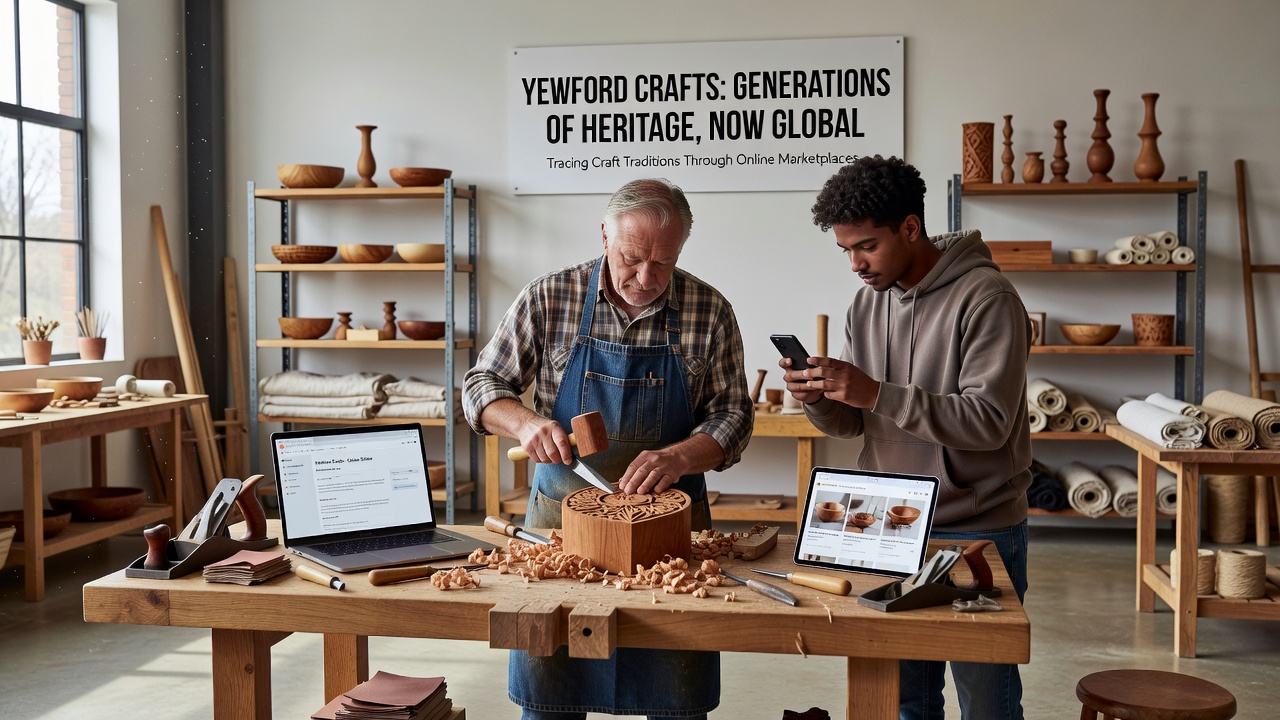
Workshops operating across multiple generations in Yewford maintain techniques such as steam-bending yew wood for furniture components, hand-weaving with locally sourced fibers, and applying natural dyes derived from regional plants. Observers note that apprentices begin with basic shaping tasks before advancing to joinery methods documented in family ledgers dating back to the early 1900s. These steps rely on manual measurement and adjustment rather than automated machinery, which preserves the variability that defines each finished item.
Studies conducted by European cultural heritage organizations document similar continuity in small-scale European craft communities where material sourcing stays tied to nearby forests and fields. In Yewford, producers report that yew stock is still harvested under seasonal permits, and drying periods extend over months before any cutting begins. This timeline has remained consistent even as marketing efforts moved online.
Expansion Into Digital Sales Channels
By October 2026, several Yewford workshops had integrated inventory systems with major online platforms that connect artisans directly to buyers across continents. Transaction records show increased volume in custom orders for yew bowls and woven textiles, yet production batches stayed limited to quantities one or two artisans could complete within a given season. Platform analytics from these outlets reveal that buyers often select items based on detailed process descriptions rather than standardized specifications.
Industry reports from the U.S. Small Business Administration highlight parallel trends among American craft producers who adopted e-commerce tools while retaining manual finishing stages. Yewford workshops followed comparable paths, adding product photography and shipping protocols without introducing CNC routers or industrial looms. The result appears in consistent output volumes that match pre-digital eras, according to production logs shared with regional trade groups.
Observed Patterns in Technique Preservation and Market Reach
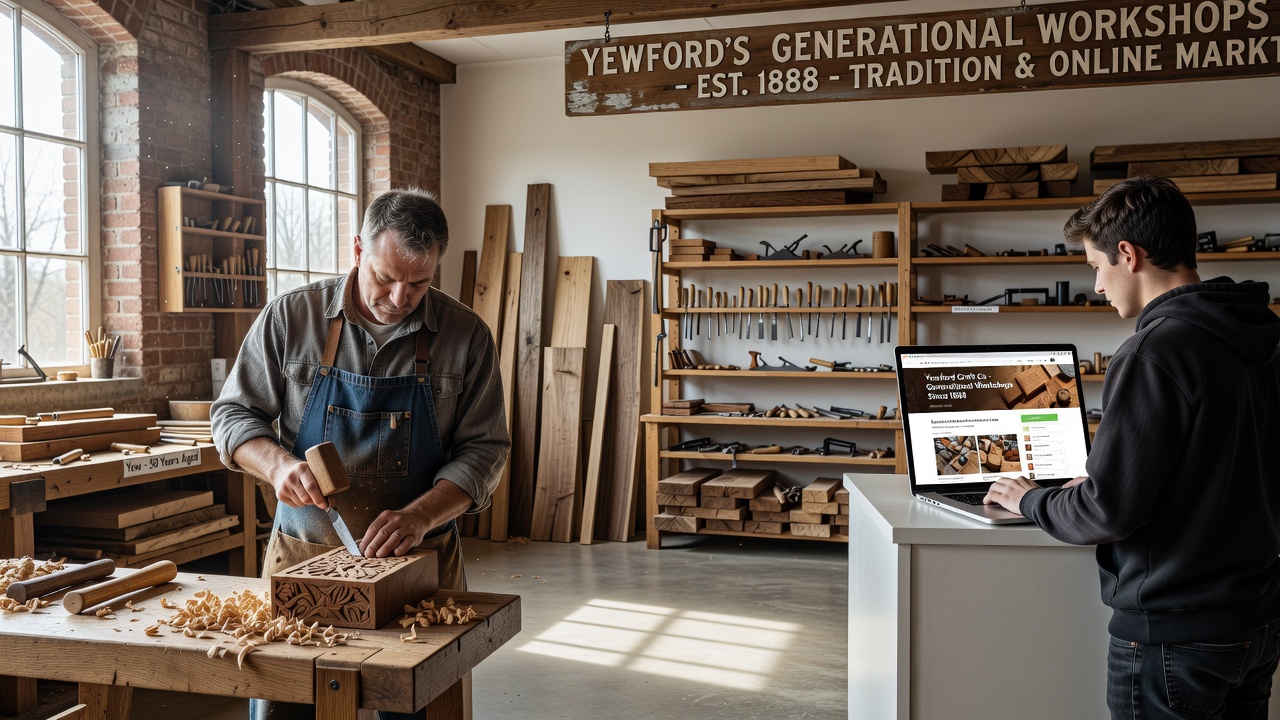
Researchers tracking small-scale producers across multiple regions have identified recurring sequences where heritage techniques survive digital transitions when family oversight of quality remains in place. In Yewford, this shows up through continued use of specific joint cuts and dye recipes that online customers now request by name after viewing process videos. Sales data compiled by craft trade associations indicate that repeat orders frequently reference these exact methods rather than general aesthetic features.
Distribution networks expanded through partnerships with fulfillment services that handle packaging and international shipping while workshops retain control over each item's construction. UNESCO documentation on intangible cultural heritage notes that such divisions of labor allow knowledge transmission to continue uninterrupted. Yewford producers, for instance, still conduct in-person training sessions for younger family members even as order fulfillment happens remotely.
Figures from Canadian craft industry surveys reveal that workshops maintaining physical workspaces alongside online listings experience steadier technique retention compared with those that fully digitize production. Yewford examples align with this pattern, where workshop floors continue to host the same benches and hand tools used decades earlier. Customer feedback collected through platform reviews frequently mentions the tactile qualities that result from these unchanged steps.
Conclusion
Records from Yewford workshops and comparable sites demonstrate that heritage techniques persist alongside broader distribution when producers separate production methods from sales logistics. Online marketplaces supply the reach, yet the generational transfer of manual skills occurs in the same physical spaces as before. This separation accounts for the measurable continuity in output characteristics despite shifts in customer geography and order volume.